Ayurveda Panchakarma Package
-- Days
--
Panchakarma, meaning "five actions," is an essential Ayurvedic detoxification therapy designed to cleanse the body of toxins (ama), restore balance among the doshas (Vata, Pitta, Kapha), and rejuvenate the entire system.
Panchakarma, meaning "five actions," is an essential Ayurvedic detoxification therapy designed to cleanse the body of toxins (ama), restore balance among the doshas (Vata, Pitta, Kapha), and rejuvenate the entire system.
Before understanding about the Vata, Pitta, and Kapha, let's understand the imbalance of your body.
In Ayurveda, each individual’s constitution has a unique balance of the three doshas—Vata, Pitta, and Kapha—representing the body’s natural order.
When this delicate balance is disrupted, it leads to imbalance, or disorder, which is the root cause of disease. Health is achieved when these doshas are in harmony, and disorder occurs when this balance is disturbed.
The key to healing lies in recognizing and understanding the disorder in the body. According to Ayurveda, the body is in constant interaction between order and disorder, with health being the state of order.
By identifying the nature of the disorder, one can restore the balance of the doshas and re-establish health. Panchakarma, with its focus on detoxifying the body, rebalancing the doshas, and promoting holistic wellness, serves as a powerful tool to achieve this state of harmony.
Health is optimal when the body’s digestive fire (agni) is in balance, the three doshas (Vata, Pitta, and Kapha) are in equilibrium, and bodily systems are functioning properly.
This includes normal elimination of waste (urine, feces, and sweat), proper functioning of bodily tissues, and mental and sensory balance. When the harmony of these systems is disturbed, illness arises.
Ayurveda Doshas
Vata Dosha: The Principle of Movement
Vata represents the air and ether (space) elements in Ayurveda, governing movement within the body. It controls processes like circulation, respiration, digestion, and nervous system function. Vata is characterized by qualities like light, dry, cold, rough, and mobile.
Signs of Vata Imbalance
When Vata is out of balance, symptoms include:
- Dry skin and hair
- Digestive issues (constipation)
- Anxiety and restlessness
- Insomnia and fatigue
- Cold extremities
Balancing Vata
To balance Vata, focus on:
- Warm, moist foods and grounding meals
- Regular oil massages (Abhyanga)
- Consistent daily routines
- Relaxation practices (yoga, meditation)
Vata types often need grounding and stability to counterbalance their naturally energetic and variable tendencies.
Pitta Dosha: The Principle of Transformation
Pitta is associated with the fire and water elements in Ayurveda and governs transformation, metabolism, and digestion. It is responsible for maintaining the body's heat, energy production, and metabolic processes. Pitta is characterized by qualities like hot, sharp, intense, and oily.
Signs of Pitta Imbalance
When Pitta is out of balance, symptoms include:
- Acid reflux, heartburn, or indigestion
- Inflammatory skin conditions (acne, rashes)
- Irritability or anger
- Excessive sweating
- Warm body temperature
Balancing Pitta
To balance Pitta, focus on:
- Cooling foods (fruits, leafy greens)
- Calming activities (relaxation, gentle yoga)
- Avoiding heat (spicy foods, sun exposure)
- Maintaining a calm, peaceful environment
Pitta types thrive on consistency and need to avoid overheating, both physically and emotionally.
Kapha Dosha: The Principle of Structure
Kapha is associated with the earth and water elements in Ayurveda and governs stability, structure, and lubrication within the body. It provides physical strength, immunity, and smooth functioning of the body’s systems. Kapha is characterized by qualities like being heavy, cold, moist, and slow.
Signs of Kapha Imbalance
When Kapha is out of balance, symptoms include:
- Weight gain or difficulty losing weight
- Lethargy or excessive sleep
- Congestion or excess mucus (sinus issues, cold)
- Depression or lack of motivation
- Slow digestion or bloating
Balancing Kapha
To balance Kapha, focus on:
- Light, warm, and spicy foods
- Regular physical activity (vigorous exercise, yoga)
- Stimulating practices (dry massage, invigorating activities)
- Avoiding excess sleep and maintaining an active lifestyle
Kapha types benefit from staying active, energetic, and mentally engaged to counterbalance their naturally stable and calm nature.
Primary Procedures in Ayurveda Panchakarma or 5 Steps of Panchakarma
There are mainly 5 steps in panchakarma: Vamana, Virechana, Vasti, Nasya, and Raktamokshana.
Vamana
Vamana, which is known as therapeutic emesis, is done to eliminate upper respiratory and gastrointestinal toxins. The Vamana is done to equalize the doshas ( the shape of the body established at birth) and Dhatus ( the seven fundamental tissues that made the human body).
Virechana
Virechana (therapeutic purgation), which means to cleanse the intestines and expel lower digestive tract toxins. Virechana panchakarma is done to remove the excess or imbalanced pitta dosha from the body.
Pitta dosha in Ayurveda means which handles the digestion and metabolism. Due to the imbalanced Pitta dosha, digestive problems, skin conditions, and liver or spleen diseases may be encountered.
Vasti
Vasti (enema therapy) means to detoxify the colon and enhance health. Vasti treatment eliminates kidney stones, chronic fever, constipation, sexual disorder backache, hyperacidity and the common cold. Not only this, there are many problems that can be solved by doing the Vasti treatment.
Nasya
Nasya (nasal administration), which is done to clear the nasal passages and to enhance mental clarity. Nasya treatment is a pachakarma procedure for the different disorders above the neck, like migraine, throat, nose, etc.
Raktamokshana
Raktamokshana (bloodletting), a panchakarma procedure to purify the blood in which the impure of poisonous blood is thrown out by using the leeches or by surgical instruments.
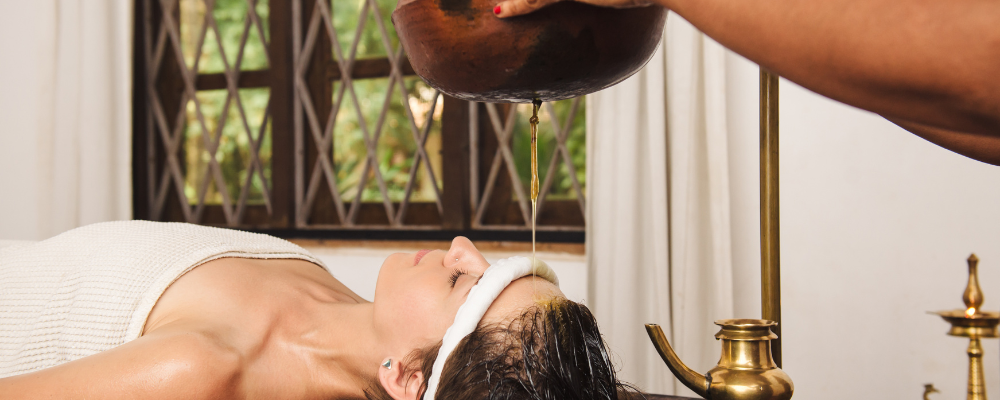
Complementary therapies such as Abhyanga (oil massage), Shirodhara (oil dripping therapy), Swedana (herbal steam therapy), and Pizhichil (oil bath therapy) support the detoxification process. These treatments offer numerous benefits, including detoxification, rejuvenation, disease prevention, mental clarity, and doshic balance, making Panchakarma a cornerstone of Ayurvedic healing that promotes long-term physical, mental, and spiritual well-being.
Panchakarma therapies help activate the Parasympathetic Nervous System (PNS) by promoting relaxation and reducing stress. Techniques like Abhyanga (oil massage), Shirodhara (oil dripping on the forehead), and Swedana (herbal steam therapy) stimulate the PNS, which helps to calm the mind and body, enhance digestion, and improve overall well-being. By balancing the doshas and detoxifying the body, Panchakarma supports the body's natural healing processes and fosters a state of deep relaxation and rejuvenation.
How long are ayurveda panchakarma processes and what is the minimum time required?
The duration of Ayurveda Panchakarma therapy can vary depending on individual needs and the specific treatments involved. Typically, the Ayurveda Panchakarma process can last anywhere from 10 days to 60 days. The minimum time required for a basic Panchakarma program is usually around 10 days, which includes preparatory procedures, the main detoxification therapies, and post-treatment care.
However, for more comprehensive detoxification and rejuvenation, a longer duration of 14 to 28 days is often recommended. The exact length of the therapy is tailored to the individual's constitution, health condition, and treatment goals.
Detoxify and cleanse your body and mind with our tailored Panchakarma packages. With proven age-old Ayurvedic techniques, enjoy the benefits of health, vitality, wellness, and harmony.
Ayurveda Panchakarma is a time-honored Ayurvedic detoxification treatment tailored to your unique needs. Your journey would start with a personalized consultation with our expert doctor experienced in identifying body types (pulse reading and dosha analysis), food and lifestyle management.
You will be guided through a series of therapeutic treatments designed to eliminate toxins, enhance vitality, and promote overall wellness. Grab the opportunity to discover your path to optimal health and well-being through the ancient wisdom of Ayurveda.
Includes:
Doctor Consultation
During a consultation, our Ayurvedic doctor performs a pulse diagnosis (Nadi Pariksha) to assess the body type (Prakriti) and detect imbalances (Vikriti).
She then provides personalized dietary and lifestyle recommendations tailored to your unique constitution. This includes specific foods, herbal remedies, daily routines, and stress management practices designed to restore balance and promote holistic well-being.
Everyday Ayurveda therapy
Ayurveda Therapies contain Abhyanga (Massage), Snehana (Oelation), Sirodhara, Padaabhyanda (Foot Massage), Siroabhyanga (Head massage), Nasya, Kati Vasti, Griva Vasti, Janu Vasti, and so on. Therapies can also include panchakarma processes such as Vamana (Induced vomiting), Virechana (Induced Diarrhea), Asthapana Vasti (Herbal colon cleansing), Anuvasana Vasti (Oil based colon cleansing) as per the doctor’s advice and requirement of the individual.
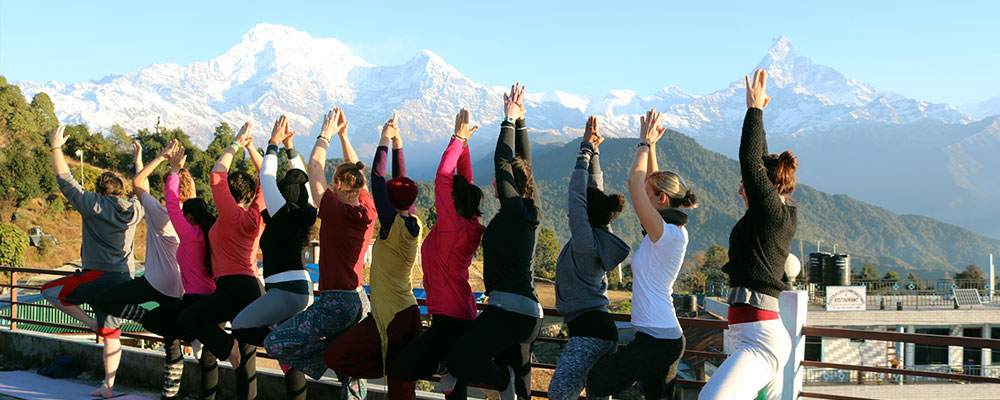
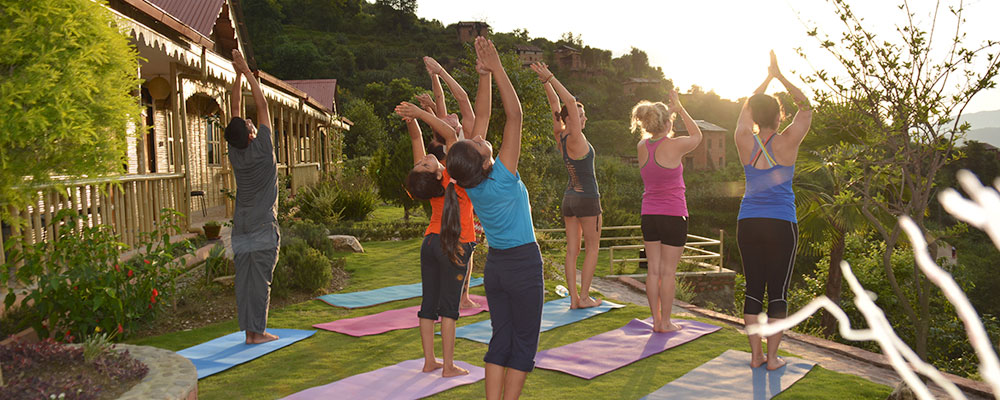
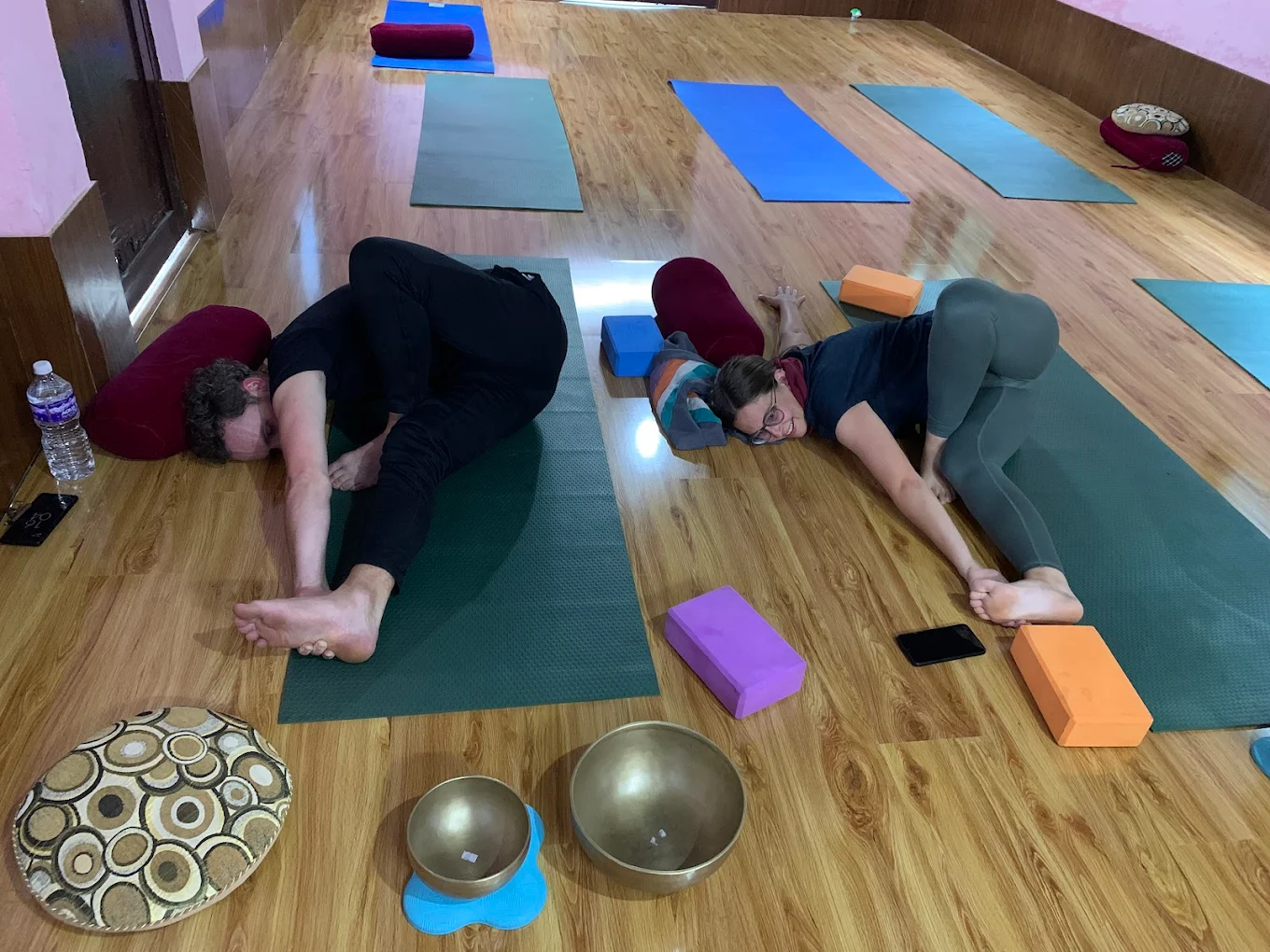
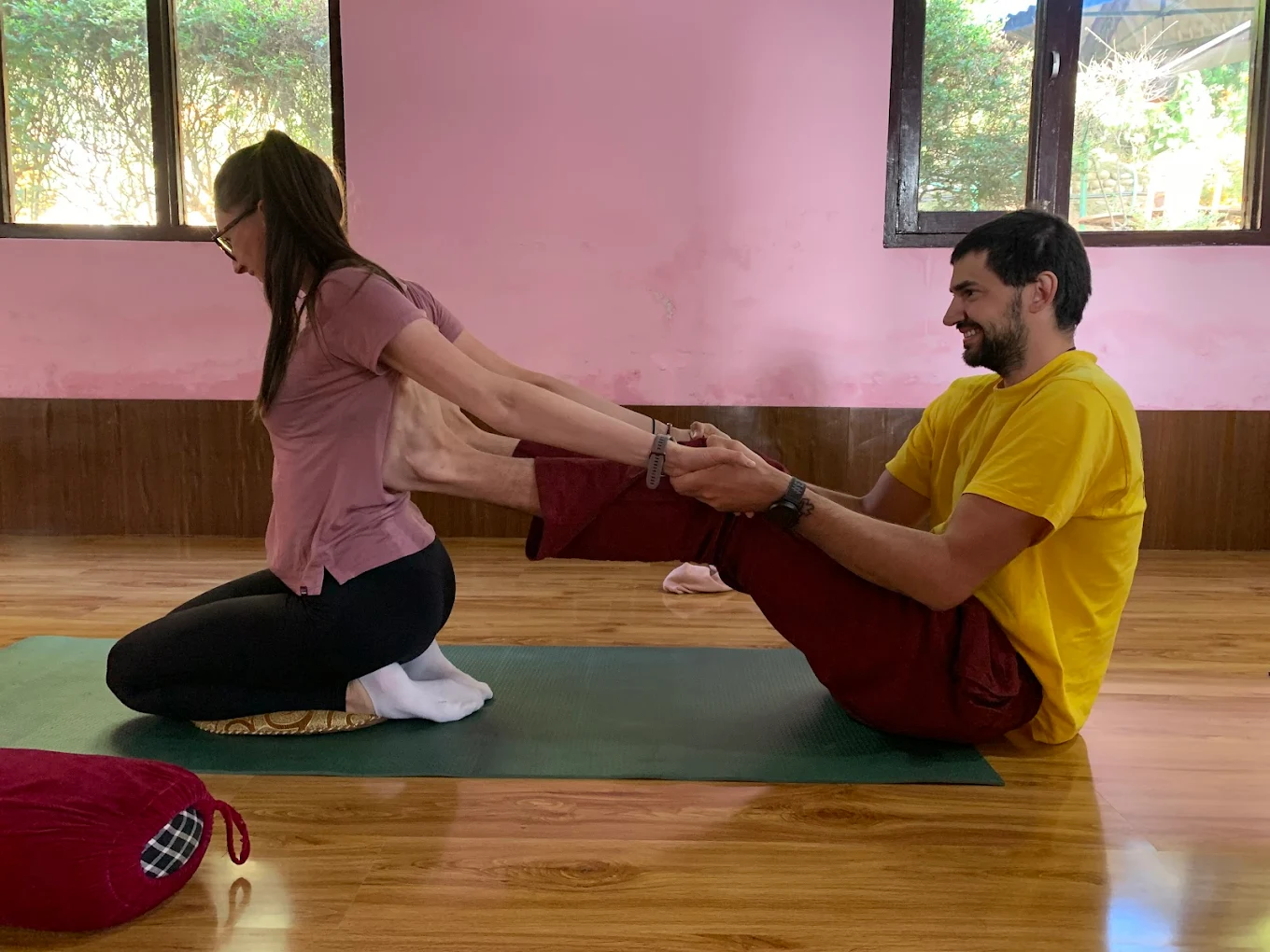
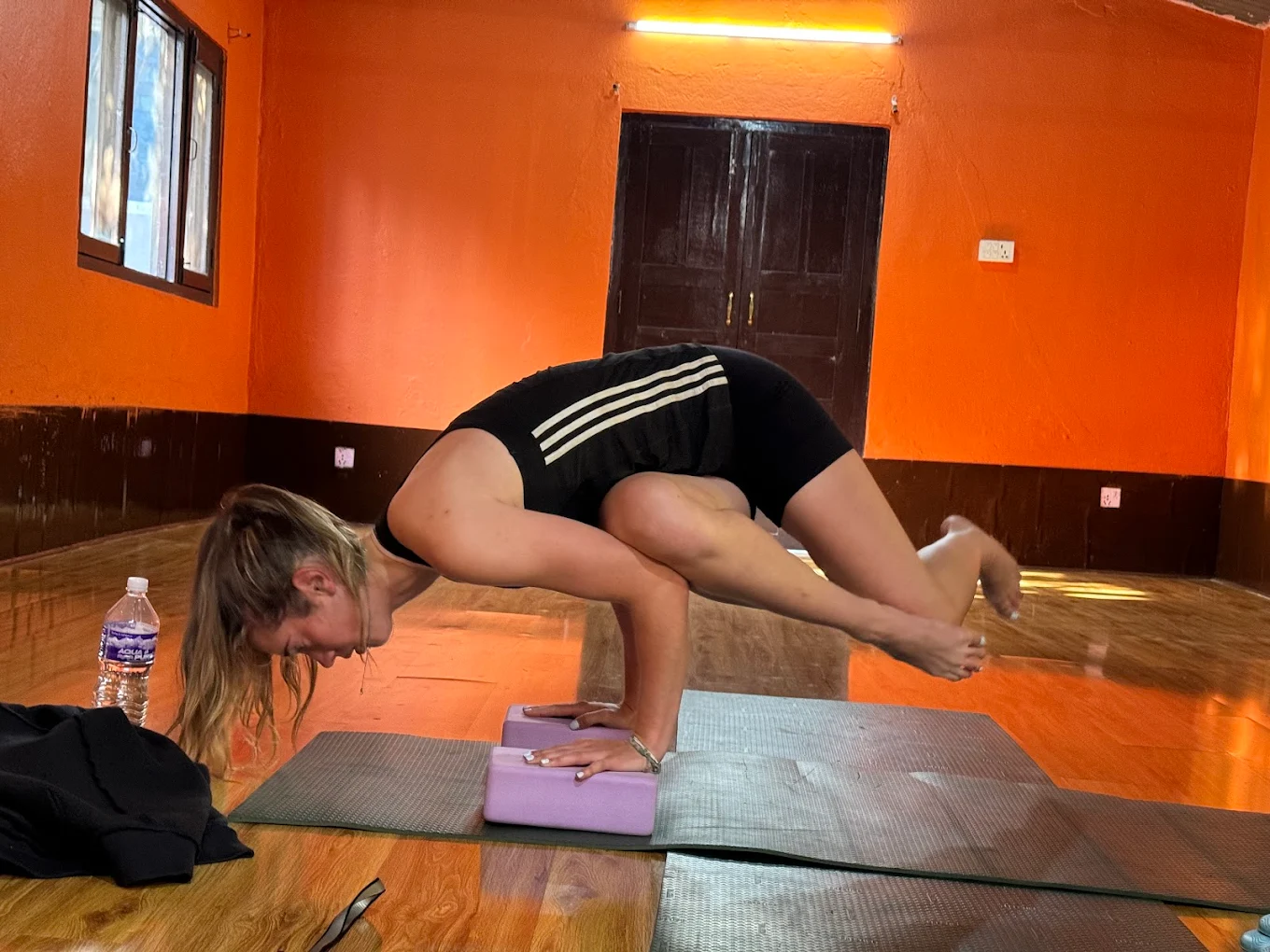
Morning and Evening Yoga and Meditation Sessions

Fitness and Flourish Program
-- Days

Integral Treatment Journey
2weeks

Holistic Healing Yoga Retreat
-- Days


1- Day Ayurvedic Package
-- Days


Ayurveda Panchakarma Package
-- Days