


Yoga Retreat after the trek help the trekkers to recover physically and mentally by restoring balance, reducing muscle tension and promoting relaxation.
Trekking in Nepal is an unforgettable adventure, where trekkers are challenged physically and mentally by the rugged landscapes, unpredictable weather, and high-altitude conditions. While the sense of accomplishment upon completing a trek like the Everest Base Camp or Annapurna Circuit is immense, the physical and mental toll can leave you drained.
A post-trek retreat in Nepal offers the perfect opportunity for healing and reflection, allowing trekkers to unwind, recover, and connect with themselves and the surrounding environment on a deeper level.
In this blog, we will explore why taking time for a retreat after your trek is vital for complete recovery, where to go, what practices to engage in, and how to make the most of your time in Nepal to heal and reflect.
Why a Post-Trek Retreat in Nepal is Essential for Recovery
Trekking is undoubtedly rewarding, but it can be physically demanding. The combination of long hours of walking, carrying heavy packs, navigating tough terrain, and adjusting to high altitudes takes a toll on the body. As your body works hard to cope with these conditions, your muscles, joints, and mind can become fatigued. Here is where a retreat becomes crucial.
Physical Recovery:
After completing a trek, your muscles and joints will likely feel stiff, sore, or overworked. Trekking involves a lot of repetitive motion, which can lead to tightness, especially in the legs, back, and shoulders. Additionally, the strain of high-altitude conditions might result in fatigue, dehydration, or nutrient deficiencies. A retreat allows you to rest and rejuvenate, offering therapies like:
Massage Therapy: Traditional Nepalese massage techniques focus on relieving muscle tension and promoting circulation. Deep tissue massage and therapeutic techniques like Shirodhara (oil pouring over the forehead) help calm the nervous system and relieve mental stress.
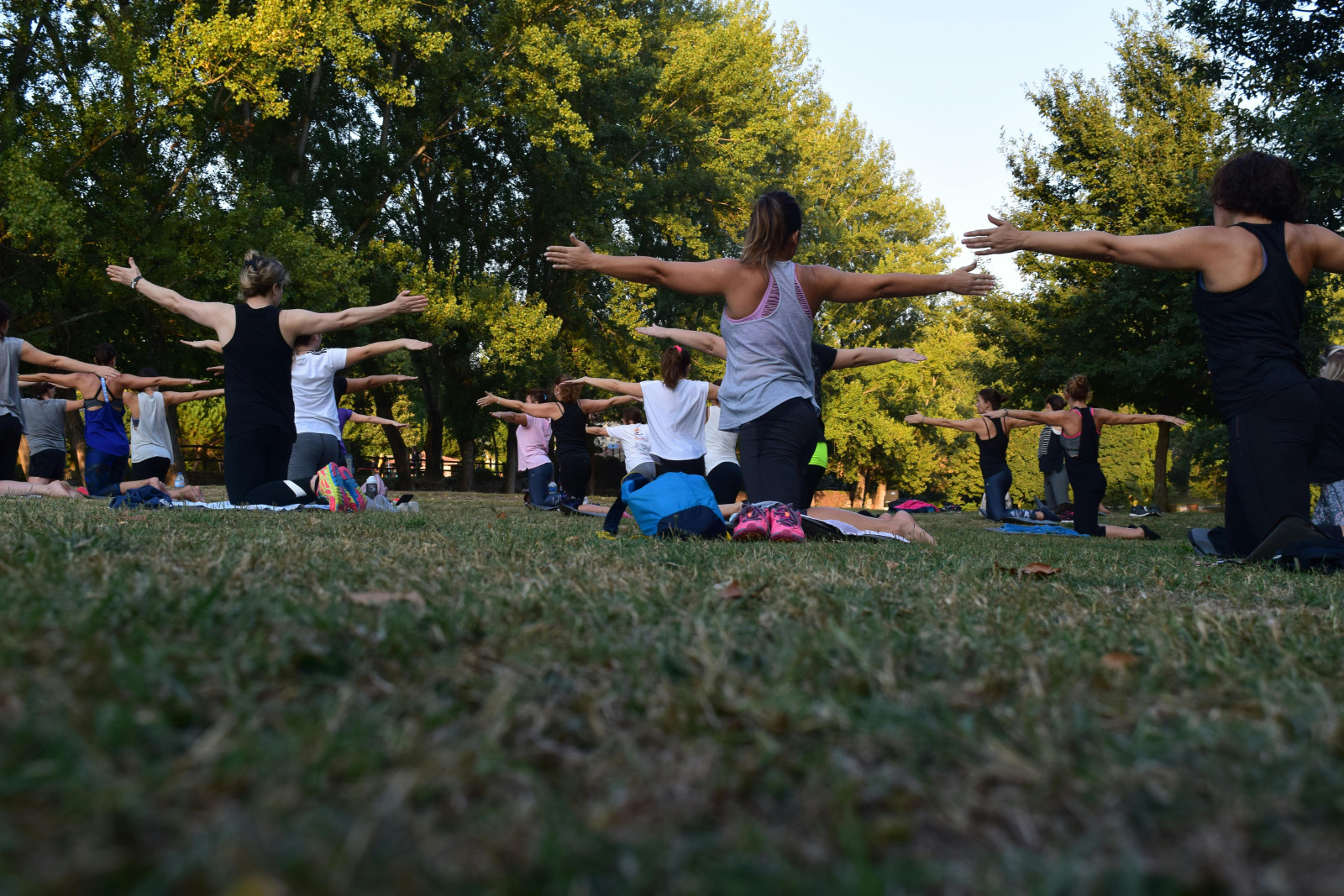
Yoga and Stretching: Yoga aids in stretching out tight muscles and improving flexibility. Post-trek yoga is designed to alleviate tension from the legs, back, and shoulders and strengthen the core muscles that were overexerted during the trek.
Ayurvedic Treatments: Nepalese Ayurvedic healing methods use natural herbs, oils, and techniques to detoxify the body, rejuvenate the skin, and reduce inflammation. Treatments like Abhyanga (oil massage) help restore energy and calm the body.
Mental and Emotional Recovery:
The mental toll of trekking is often overlooked. The focus required to complete a trek, combined with the isolation of remote areas and the challenges faced along the trail, can leave trekkers feeling mentally exhausted. Feelings of anxiety, exhaustion, and even mild depression are common post-trek, especially if you’ve been away from familiar surroundings for an extended period.
A retreat provides the space to process the emotional journey of the trek. It allows you to slow down, disconnect from the distractions of everyday life, and reflect on the challenges, triumphs, and lessons learned. By engaging in meditation, yoga, or simply being in a peaceful environment, trekkers can achieve mental clarity, emotional healing, and a renewed sense of balance.
Spiritual Reflection:
Trekking in Nepal, particularly to destinations like the Everest Base Camp or Annapurna, often brings trekkers face-to-face with the profound spirituality of the region. The remote monasteries, Buddhist stupas, and sacred mountains are constant reminders of Nepal’s deep spiritual culture. A retreat offers the perfect opportunity to process this spiritual experience, reflect on its meaning, and integrate it into your own life.
Taking time for spiritual practices in a retreat setting allows you to reconnect with your inner self, find peace, and gain a deeper understanding of your journey. Whether it’s through meditation, prayer, or spending time in nature, a retreat allows trekkers to deepen their spiritual connection.
The Healing Power of Nepal’s Natural Beauty
Nepal’s stunning natural surroundings are an integral part of any retreat experience. The landscape itself is a source of healing. From the majestic Himalayas to tranquil lakes, the serenity of nature works wonders for restoring mental well-being.
The Benefits of Nature on the Mind and Body:
Scientific studies have shown that being in nature helps lower blood pressure, reduces cortisol (the stress hormone), and improves overall mood. The beauty of Nepal’s vast landscapes, the quiet beauty of its lakes, and the peaceful mountain valleys all contribute to stress reduction and emotional healing.
Mountains as Spiritual Symbols: The Himalayas are not just breathtakingly beautiful; they are also revered in Nepalese culture. The mountains symbolize spiritual and personal growth. Being in their presence can inspire deep reflections and insights into your life.
Lakes and Forests for Calm: Retreats by lakes, such as Phewa Lake in Pokhara, provide an even deeper sense of tranquility, surrounded by forested hills and clean, fresh air. These places act as perfect backdrops for meditation and peaceful reflection.
Detoxifying Fresh Air: Fresh mountain air is one of Nepal’s healing resources. The thin, clean air found at high altitudes is full of oxygen and is known to purify the body, providing a sense of physical renewal.
Top Retreat Destinations in Nepal: Where to Go After Your Trek
Nepal offers a wide range of retreat options, each providing a unique environment to reflect and rejuvenate. Whether you’re seeking spirituality, adventure, or pure relaxation, these destinations cater to different needs.
The Kathmandu Valley: A Cultural and Spiritual Hub:
While Kathmandu can be bustling, the outskirts offer quiet retreats that are perfect for rest and reflection. Nagarkot, Dhulikhel and city areas of Kathmandu Valley provide stunning mountain views and quiet environments that foster meditation and spiritual exploration. These locations are also close to ancient temples, where you can engage in cultural and spiritual practices.
Pokhara – A Serene Escape by the Lakeside:
Pokhara, known for its stunning lake and panoramic views of the Annapurna Range, is one of the best places for a post-trek retreat. The city offers numerous yoga centers, meditation retreats, and wellness spas that provide the perfect combination of rest and rejuvenation. The serene atmosphere by Phewa Lake makes it ideal for quiet reflection, while also allowing for activities such as boating, walking, and outdoor exploration.
Lumbini – A Spiritual Journey of Self-Discovery:
Lumbini, the birthplace of Lord Buddha, is a place of profound peace and spiritual energy. Retreats in Lumbini focus on meditation, mindfulness, and personal growth, allowing trekkers to connect with deeper aspects of their journey. The Buddhist monasteries, serene gardens, and quiet temples provide an atmosphere perfect for those looking to reflect on their spiritual path.
Rural Villages – A Deep Immersion into Nepalese Life:
If you’re looking for a more immersive experience, staying in rural villages like Ghorepani or Bandipur offers an opportunity to unwind in a culturally rich environment. Here, you can stay with local families, learn traditional cooking, and enjoy organic, locally sourced meals.
What is Included in the Post-Trek Retreat?
A retreat after your trek offers a holistic experience designed to nurture your body, mind, and spirit. Here’s a detailed list of what is included in many post-trek retreats in Nepal:
Yoga, Breathing, and Meditation Classes (Twice a Day): These sessions help release tension from your body, calm your mind, and restore emotional balance. Morning and evening classes offer an ideal balance of relaxation and rejuvenation, with each session designed to align with the body’s natural rhythms.
Ayurveda Sauna: Enjoy the healing benefits of a traditional Ayurveda sauna, which helps detoxify your body, improve circulation, and promote relaxation. The sauna experience is designed to cleanse the body of accumulated toxins, leaving you feeling refreshed and revitalized.
Ayurveda Oil Massages: Enjoy two soothing oil massages based on ancient Ayurvedic principles. These massages are aimed at relaxing the body, releasing tension, and restoring the body’s natural energy balance. Ayurvedic oils, tailored to your specific needs, will help relax your muscles and improve circulation.
Shirodhara (Ayurveda Treatment): This is a unique Ayurvedic treatment where warm herbal oil is gently poured onto your forehead, stimulating the third eye and promoting deep relaxation. Shirodhara is known to reduce mental stress, promote better sleep, and enhance overall well-being.
Daily Breakfast, Lunch, and Dinner (Fresh Made Vegetarian Meals): Nourish your body with wholesome, freshly prepared vegetarian meals. The meals are designed to support the healing process, offering balanced nutrition while being gentle on the digestive system.
3 Nights Accommodation in Modern Styled Rooms: Stay in comfortable, modern rooms equipped with western-style bathrooms, hot water showers, and other amenities for a relaxing and rejuvenating stay. Your accommodation provides the perfect environment to unwind after your trek.
Unlimited Herbal Teas and Filtered Water: Enjoy a selection of healing herbal teas throughout your retreat, along with unlimited filtered water to keep you hydrated. Herbal teas such as ginger, tulsi, and chamomile will help you relax and support your digestive health.
Hiking Trip to Local Areas and Temples: Explore the natural beauty and cultural richness of Nepal through guided hikes to local areas and temples. These excursions allow you to experience the serenity of the region, engage with nature, and deepen your spiritual connection with sacred sites.
The Role of Yoga and Meditation in Post-Trek Recovery

Yoga and meditation are not just physical practices; they are essential for restoring balance to your mind and body. After a physically exhausting trek, yoga helps release accumulated tension in the body while meditation helps ground your mind.
Yoga for Physical Healing:
Yoga post-trek can include gentle stretching, relaxation techniques, and poses that focus on unwinding the muscles used during your trek. Poses like Downward Dog, Child’s Pose, and Cat-Cow are excellent for releasing tension in the spine, hamstrings, and quadriceps. Additionally, restorative yoga sessions focus on breath control (pranayama) to restore calm and balance.
Meditation for Emotional Healing:
Meditation helps clear mental fog and allows for deep reflection. Post-trek meditation can focus on gratitude for the journey, processing the emotional highs and lows of the trek, and connecting with your inner self. Techniques like mindfulness meditation, breathing exercises, and guided imagery are commonly used to relax the mind and reconnect with your emotions.
Nourishing Your Body with Traditional Nepalese Cuisine
The food you consume during and after your trek is vital for recovery. Nepalese cuisine offers hearty, nutritious meals that help replenish lost nutrients and give your body the strength it needs to recover.
Daal Bhat – A Comforting, Nourishing Meal:
One of Nepal’s staple dishes, Daal Bhat (lentils and rice), is packed with proteins, carbohydrates, and fiber. This dish is typically served with vegetables, pickles, and sometimes meat, providing a balanced meal that aids in muscle recovery and energy replenishment. It’s both energizing and comforting after a strenuous trek.
Herbal Teas – Healing and Replenishing:
Nepalese herbal teas made from ginger, tulsi (holy basil), and turmeric are known for their anti-inflammatory properties and ability to aid digestion. These teas are commonly served during retreats to help with detoxification and to calm the body.
Fresh Fruits and Vegetables – Vital for Vitamin Boost:
Nepal’s markets offer an array of fresh fruits and vegetables that are perfect for restoring vitamins and minerals. Seasonal fruits like oranges, apples, and papayas are rich in vitamin C and antioxidants that help boost the immune system.
A Quiet Retreat for Mindful Reflection: The Importance of Silence
Many post-trek retreats emphasize silence, providing a chance for trekkers to disconnect from the noise of everyday life and focus inwardly. Silence allows for deeper reflection, spiritual connection, and personal growth.
Silent Retreats:
Nepal is home to several silent meditation retreats that focus on Vipassana or mindfulness meditation. These retreats may span from a few days to several weeks, providing a space where participants can engage in deep introspection without distractions.
Reflection and Emotional Healing:
The absence of conversation allows trekkers to process their experiences. During silence, individuals often confront emotions that arose during the trek, including the pride of accomplishment, the challenges faced, and even the fear or uncertainty experienced on the trail.
Conclusion: A Perfect Ending to an Epic Journey
A post-trek retreat in Nepal is more than just a break—it’s a crucial part of the journey that helps trekkers process their physical exhaustion, reflect on their experiences, and heal both mentally and emotionally. The combination of nature, spirituality, culture, and wellness practices creates the ideal environment for a truly transformative experience.
Whether you choose to unwind by a serene lakeside in Pokhara, embark on a spiritual journey in Lumbini, or immerse yourself in the quietude of rural Nepal, each retreat offers a unique opportunity to deepen your connection with both yourself and the world around you.
Taking the time to heal after your trek ensures that your adventure in Nepal leaves a lasting impact, one that nurtures your mind, body, and soul long after you’ve returned home.