


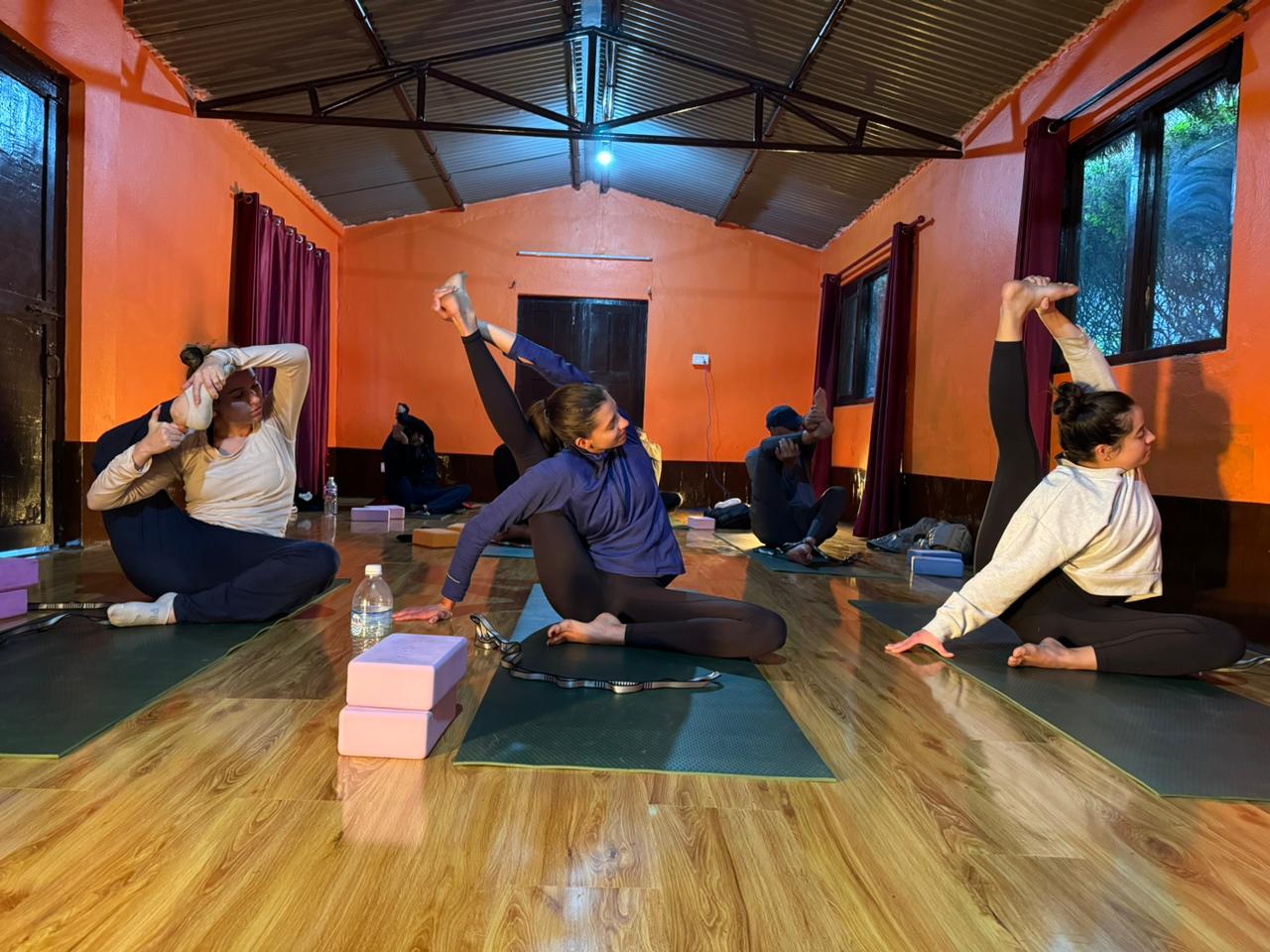
Yoga philosophy is a rich and ancient system of thought that provides guidance on living a balanced, harmonious life, both mentally and physically. Rooted in Indian traditions, it draws from various texts, most notably the Yoga Sutras of Patanjali, Upanishads, and Bhagavad Gita. Yoga is much more than just physical postures (asanas); it is a comprehensive philosophy that offers a framework for self-awareness, inner peace, and spiritual growth.
In recent times, many people have turned to practices like yoga retreats in Nepal to dive deeper into the philosophy and experience holistic healing. Nepal, with its serene mountains and spiritual heritage, is a popular destination for those seeking to reconnect with themselves through meditation, yoga, and healing practices like sound healing. These retreats often integrate various elements of yoga philosophy to support the mind, body, and spirit.
Here's an overview of key concepts within yoga philosophy:
The Four Paths of Yoga:
Yoga offers different paths to achieve union with the self or the divine. These are:
- Karma Yoga (Path of Selfless Action): Focuses on performing actions without attachment to results, emphasizing selfless service and contribution to others.
- Bhakti Yoga (Path of Devotion): Involves devotion and love towards a personal god or higher power, fostering a deep sense of surrender and connection to the divine.
- Jnana Yoga (Path of Knowledge): Centers around the pursuit of wisdom and self-inquiry, seeking to understand the nature of the self and the universe.
- Raja Yoga (Path of Meditation): Focuses on the practice of meditation and mindfulness to control the mind, quiet inner distractions, and ultimately attain spiritual insight.
The Eight Limbs of Yoga (Ashtanga Yoga):
These are steps or practices outlined by Patanjali in the Yoga Sutras that help one achieve spiritual enlightenment and liberation (moksha). The eight limbs are:
- Yamas (Ethical Guidelines): These are moral disciplines or constraints, including non-violence (ahimsa), truthfulness (satya), and non-possessiveness (aparigraha).
- Niyamas (Self-Discipline): These are personal observances like cleanliness (saucha), contentment (santosha), and devotion (ishvara pranidhana).
- Asana (Posture): The physical practice of yoga poses designed to improve flexibility, strength, and overall well-being.
- Pranayama (Breath Control): Techniques for regulating the breath to influence the flow of energy (prana) and calm the mind.
- Pratyahara (Withdrawal of the Senses): The practice of turning inward by detaching from external stimuli.
- Dharana (Concentration): Focused attention or concentration on a single point or object.
- Dhyana (Meditation): Deep, continuous meditation that leads to a sense of profound inner stillness.
- Samadhi (Enlightenment or Union): The final stage of yoga, where the practitioner experiences a state of deep absorption or union with the divine, achieving transcendence and liberation.
The Nature of the Self (Atman) and Reality (Brahman):
- Atman refers to the individual soul or true self, which is considered eternal, divine, and beyond the physical body and mind.
- Brahman is the universal consciousness or ultimate reality in Vedantic philosophy, and it is believed that the individual self (Atman) is ultimately one with Brahman. The goal of yoga is to realize this oneness and transcend the illusion of separation.
The Concept of Mind and Suffering:
Yoga philosophy also addresses the nature of the mind and how it causes suffering. According to Patanjali’s Yoga Sutras, the mind is constantly in a state of fluctuation (called vrittis), which clouds our judgment and leads to ignorance and attachment. The practice of yoga is designed to calm these mental fluctuations and bring about clarity, peace, and liberation.
The Law of Karma:
Karma yoga teaches that every action has consequences, and we are responsible for our actions. The idea of karma extends to every aspect of life, suggesting that one’s actions, intentions, and desires shape their future experiences and spiritual development. Through selfless action, one can reduce negative karma and grow spiritually.
Liberation (Moksha):
The ultimate aim of yoga philosophy is moksha or liberation – freedom from the cycle of birth, death, and rebirth (samsara). Moksha is attained when the individual realizes their true nature and merges with the divine, overcoming all worldly attachments, desires, and ignorance.
Panchakarma and Sound Healing:
In holistic practices like panchakarma, an ancient detoxification treatment, yoga philosophy plays a significant role. Panchakarma works to cleanse and rejuvenate the body and mind through purification therapies. This practice is often included in yoga retreats in Nepal, where participants experience not only the physical benefits but also spiritual renewal. Another complementary practice is sound healing, which uses vibrational frequencies to restore balance in the body’s energy system, fostering emotional and spiritual healing. Many yoga retreats incorporate sound healing as part of the meditation and relaxation process.
The Role of Meditation:
Meditation (dhyana) is a core practice within yoga philosophy. It is considered essential for quieting the mind, transcending the ego, and achieving self-realization. Through meditation, practitioners can attain clarity, peace, and ultimately enlightenment.
Yoga philosophy teaches that by combining ethical living, mental discipline, self-awareness, and spiritual practices, individuals can cultivate a balanced and fulfilling life. It’s not just a physical practice but a way of living and perceiving the world with a greater sense of awareness and connection. Whether through a yoga retreat in Nepal or a personal practice, these teachings help guide practitioners toward spiritual awakening and inner peace.